

Coffee Wood Chews vs Rawhide vs Bully Sticks: A Wholesale Buyer’s Sourcing Guide
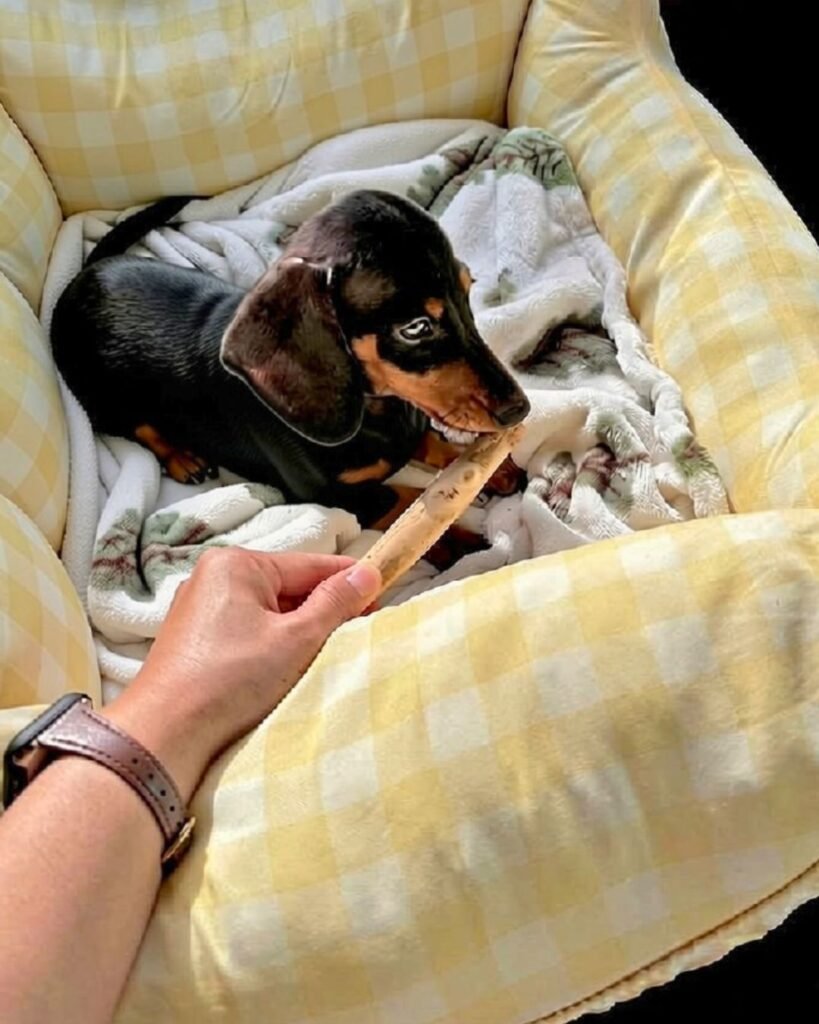
If you’re sourcing a natural dog chew line — whether you’re a retailer building a private label, an Amazon seller looking for an FBA-ready SKU, or a distributor comparing suppliers — “coffee wood vs rawhide vs bully sticks” is really three separate sourcing decisions disguised as one question. Each material comes from a different supply chain, with different documentation, different lead times, and different things you should ask your supplier before you commit to a container.
This isn’t a pet-health comparison — we’re not vets, and we don’t make health or safety claims about any chew material (see Our Promise for exactly what we do and don’t claim). What we can speak to directly is what each material is, where it comes from, and what a buyer should be checking before placing an order.
Quick Comparison
| Coffee Wood | Rawhide | Bully Sticks | |
|---|---|---|---|
| Raw material | Reclaimed wood from coffee trees past peak fruiting | Byproduct of cattle hide from the leather industry | Beef muscle (pizzle), a byproduct of beef processing |
| Typical processing | Cut, dried, sanded, quality-checked | Split, limed, and pressed or rolled into shape | Cleaned, stretched, dried, sometimes smoked |
| Common buyer question | Tree age and untreated-finish documentation | Tanning/chemical treatment records, country of origin | Drying method, sourcing country, odor control |
| Typical retail price band | Mid | Low–mid | Mid–high |
| Sizing control for wholesale | Graded by length × diameter, consistent across batch | Varies by hide thickness unless supplier grades it | Varies by muscle diameter unless supplier grades it |
| Private label / OEM availability | Common — laser engraving, custom labels, packaging | Common | Common |
Coffee Wood: What It Is and Where It Comes From
Coffee wood chews are cut from coffee trees in Gia Lai and Đắk Lắk, Vietnam, once the trees are 20–25 years old and past their productive fruiting cycle — at that point, they’re typically cleared for replanting anyway, so the wood is a byproduct of that renewal cycle rather than wood cut specifically for the pet trade. Ours ships untreated, with no synthetic coating or dye, cut, dried, sanded, and quality-checked before packing.
What a wholesale buyer should ask a coffee wood supplier:
- Tree age and species (coffee wood varies significantly in density by age)
- Whether the wood is treated, coated, or dyed
- Batch-to-batch size consistency — ask for a spec sheet, not just a sample
- Export documentation: for us, that’s a Certificate of Origin (Form B, VCCI Ho Chi Minh City), a Fumigation Certificate, and a Phytosanitary Certificate on every shipment
Sizing example (our CC01 line, six grades):
| Size | Length × Diameter | Weight |
|---|---|---|
| XS | 10–11cm × 1.5–2cm | 23–30g |
| S | 13–14cm × 2–2.5cm | 35–45g |
| M | 17–18cm × 2.5–3.5cm | 90–110g |
| L | 18–19cm × 3.5–4.5cm | 110–150g |
| XL | 20–21cm × 4.5–5.5cm | 150–225g |
| XXL | 22–23cm × 5.5–8cm | 325–450g |
We also run a denser “Gorilla” line (GRL) cut from thicker roots and branches, sized S–XL, and seven wood-plus-rope styles (CC02–CC15) in cotton or hemp rope. Full specs for every size and style are on our Coffee Wood product page.
Rawhide: What It Is and Where It Comes From
Rawhide is the inner layer of cattle hide, left over after the outer layer goes to leather tanning. It’s typically limed to remove hair and fat, then pressed, rolled, or shaped and dried. Because it’s a leather-industry byproduct, quality and processing standards vary a lot by supplier and country of origin — this is the material where buyer due diligence matters most.
What a wholesale buyer should ask a rawhide supplier:
- Country of origin for the hide, and whether it changed hands through multiple processors before reaching them
- What chemicals (if any) were used in the liming or preservation process, and whether that’s documented
- Whether sizing is graded, or varies hide-to-hide
- Import documentation specific to animal-hide products, which can carry different customs requirements than wood or fiber products
Bully Sticks: What They Are and Where They Come From
Bully sticks are dried beef muscle — usually pizzle — a byproduct of beef processing, most commonly sourced from Brazil, Argentina, or Southeast Asia. They’re cleaned, stretched to shape, and either air-dried or smoked. Odor is the most common buyer complaint with this category, and it’s directly tied to drying method — smoked or baked processing tends to reduce it more than simple air-drying.
What a wholesale buyer should ask a bully stick supplier:
- Drying method (air-dried vs. baked/smoked) and how that affects odor and shelf life
- Country of origin and slaughterhouse traceability
- Diameter grading — bully sticks vary naturally by animal, so ask how the supplier sorts for consistent SKUs
- Whether the supplier tests for hormone or antibiotic residue, if that matters for your target market
Business Terms: What Actually Differs When You Place an Order
For a wholesale buyer, the more practical differences often come down to production terms rather than the material itself. Here’s what ours look like for coffee wood, as a reference point when you’re comparing quotes:
| Item | Figure |
|---|---|
| Minimum order, stock items | 50 pcs |
| Minimum order, printed private-label packaging | 500 pcs |
| Free samples | 3 pcs, courier paid by buyer |
| Lead time, under 500 pcs | 5–7 days |
| Lead time, full container | 60–80 days |
| Sea transit from Cat Lai (Vietnam) | 30–35 days to the EU or US |
| Incoterms | EXW · CIF · DAP |
| Deposit | 30% on stock orders · 50% on private-label runs |
| Laser engraving | USD 0.10 per piece, from 50 pcs |
| HS code (coffee wood chews) | 4421.99 |
Whichever material you’re sourcing, ask every supplier for the equivalent table before you compare pricing — a lower unit price with a 500-piece MOQ and 90-day lead time isn’t necessarily cheaper than a higher unit price with a 50-piece MOQ and same-week turnaround, once you factor in the capital tied up in inventory.
What We Don’t Claim
We’d rather tell you what we don’t say than let you assume it. We don’t describe any of our products as “splinter-free” — no wood chew supplier honestly can. We don’t make health, dental, or veterinary claims. We don’t use the word “organic,” and we don’t make a caffeine claim about coffee wood until we have a lab report on trunk wood specifically to back it up. What we do send: batch moisture readings, the three export certificates listed above, and samples you can test yourself before committing to a container. Full detail is on our Our Promise page.
Choosing Between Them
There isn’t a universal “best” material here — it depends on what your buyers are asking for and what your supply chain can support:
- If your market is asking for a wood-based, single-ingredient chew and you want batch-to-batch size consistency for private label, coffee wood is worth sampling — request the spec sheet and export certificates before you order.
- If you’re already running rawhide SKUs and want to keep them, the highest-leverage thing you can do is push your current supplier for chemical-treatment documentation and country-of-origin paperwork, since that’s where rawhide sourcing varies most.
- If odor complaints are your main issue with bully sticks, ask suppliers specifically about baked or smoked drying methods before switching suppliers entirely — the material itself isn’t usually the problem.
Frequently Asked Questions
Is coffee wood a wood-based or animal-based chew?
Wood-based — it’s reclaimed coffee tree wood, not an animal byproduct like rawhide or bully sticks.
Does coffee wood chew splinter?
We don’t claim any wood chew is “splinter-free” — that’s not a claim we or any honest supplier can make about a natural wood product. We recommend replacing any chew once it shows chips, cracks, or wears down small, same as guidance for any wood or hide chew.
What’s the minimum order for coffee wood chews from WINVN?
50 pieces per item code, including logo engraving; printed private-label packaging from 500 pieces. Free samples (3 pieces) are available; the buyer covers courier cost.
Can coffee wood chews be private labeled?
Yes — laser engraving and custom labels are available from 50 pieces, at USD 0.10 per piece for laser engraving; printed custom packaging from 500 pieces.
What export certificates come with a coffee wood chew shipment?
Certificate of Origin (Form B, issued by VCCI Ho Chi Minh City), a Fumigation Certificate, and a Phytosanitary Certificate from Vietnam’s Plant Protection Department, on every order.
How long does a full container take from order to shipping?
60–80 days for a full container; 5–7 days for orders under 500 pieces. Sea transit from Cat Lai runs 30–35 days to the EU or US.
Want a sample to compare against what you’re currently sourcing? Request a wholesale quote — three product samples at no charge (courier paid by buyer).
Want the details behind this post?
Three product samples at no charge; courier charges apply. Sample availability and preparation time confirmed with your request. We reply with pricing and lead time, usually the same working day.
Request Wholesale Quote